
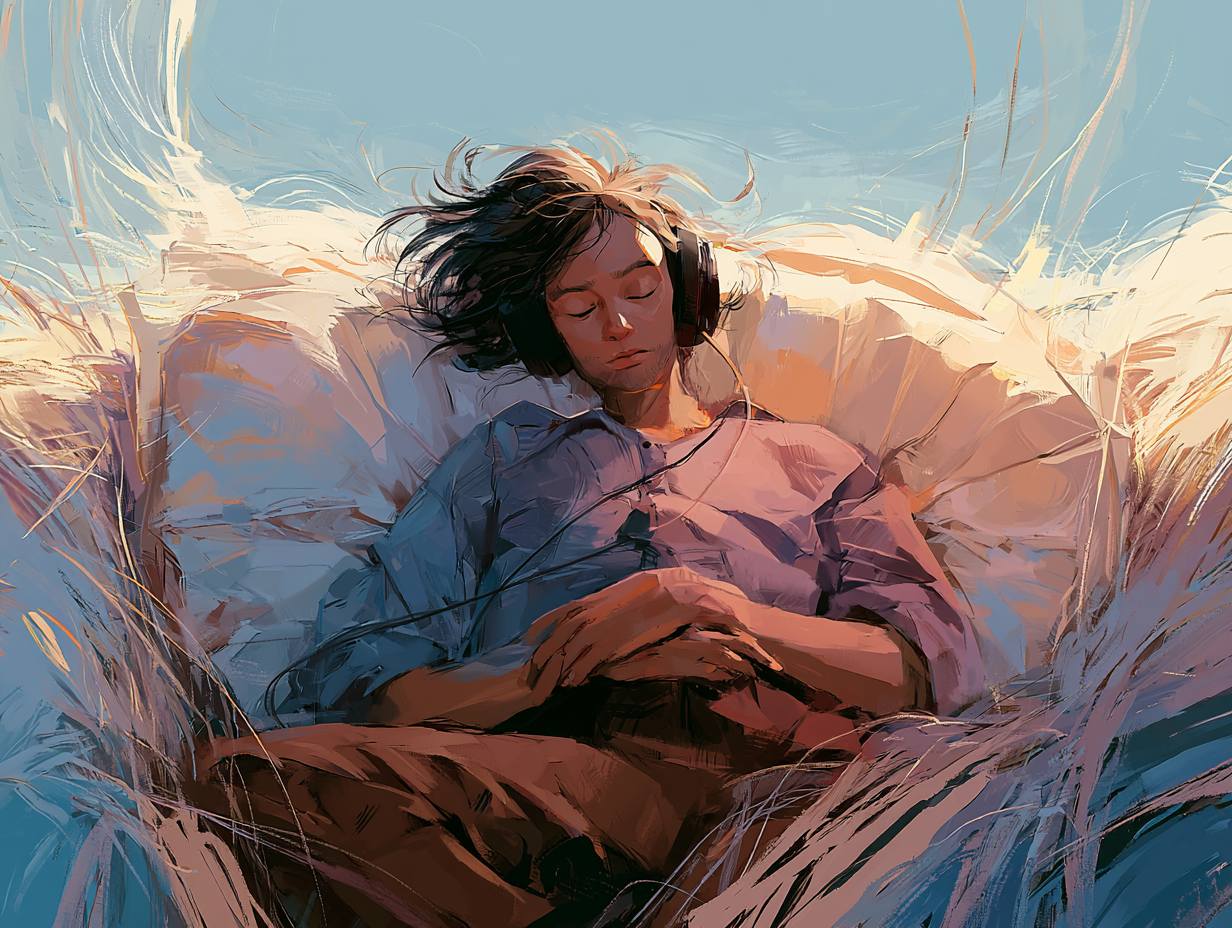
Rest used to feel more instinctive. Not necessarily easier, but more obviously woven into the structure of life rather than something that had to be justified, scheduled, earned, or defended.
Now many people speak about rest almost apologetically, as though slowing down were a lapse in productivity rather than a necessary part of being human. Even the language has changed. Sleep becomes “recovery.” Walking becomes “optimisation.” Silence becomes “practice.” Very little is allowed to simply exist without being turned into a form of self-improvement.
One of the things I notice frequently in therapy is how many people describe feeling exhausted while simultaneously feeling unable to stop. Not physically unable, but psychologically unable. The moment external demands reduce, something internal becomes louder. Rest does not feel restful. It feels exposing.
This is one reason people often remain busy long after the activity itself has stopped being useful. Constant movement creates a kind of psychological background noise. Emails, scrolling, errands, television, notifications, unfinished tasks, low-level worries — together they form a continuous layer of distraction that prevents deeper thoughts or feelings from fully arriving.
The nervous system stays externally focused. Attention remains scattered. There is never enough stillness for anything quieter to become fully audible.
Then eventually something interrupts the momentum. Illness. Burnout. A holiday. A quiet evening with nowhere to be. And suddenly the internal volume changes.
People often experience this as anxiety, but anxiety is not always the beginning of the process. Sometimes it is simply the first thing heard once the noise dies down.
Underneath it there may be grief, loneliness, uncertainty, exhaustion, or a vague awareness that life has become organised more around maintenance than meaning.
This is partly why genuine rest can feel uncomfortable at first. If the mind has been moving constantly, slowing down removes the distraction architecture that has been keeping certain things at a distance.
Unfortunately, modern life often encourages people to misread this discomfort. If rest initially feels uneasy, many assume they are “bad at relaxing” or that they need more stimulation to settle themselves. So the silence is quickly filled again. Phones appear. Streaming starts. Background noise returns before anything deeper has a chance to emerge.
But if a person stays still for long enough, something else often begins to happen.
Thoughts become clearer. Feelings become more distinct. Attention stops scattering itself across dozens of unfinished loops and starts settling instead. Small things regain texture and meaning. Ideas arrive naturally rather than being forced.
Life becomes audible again.
Not louder. Clearer.
You can often tell when someone has not rested properly for a long time because everything in their internal world begins arriving at the same volume. Minor inconveniences, important decisions, unfinished tasks, relationship worries, future fears, practical obligations — all demanding attention simultaneously.
Over time this has a real effect on concentration, emotional regulation, and executive functioning. The brain struggles to prioritise effectively when the system never fully settles. Working memory becomes less reliable. Emotional reactions become stronger. Thinking narrows under stress. People become more reactive, less flexible, and more easily overwhelmed. Executive functioning systems rely upon periods of restoration and recovery in order to function effectively. :contentReference[oaicite:0]{index=0}
This is why sustained stress impacts cognition so noticeably. When the nervous system remains in a prolonged state of vigilance, attention and emotional resources become saturated. Rest is not separate from mental clarity. It is one of the conditions that allows clarity to exist in the first place. :contentReference[oaicite:1]{index=1}
Even creativity depends upon this rhythm. Writers often solve problems away from the desk. Musicians hear the missing line while walking. Insights appear while showering, driving, or making coffee. The mind continues processing beneath conscious awareness, but it often requires periods where deliberate effort softens enough for integration to occur.
Rest is not the absence of meaningful activity. Very often, it is the condition that allows meaningful activity to happen.
The same is true emotionally. Many people try to think their way through feelings while remaining in a chronically overstimulated state. They push harder cognitively at problems that actually require quiet, reflection, and nervous system regulation. Some things cannot be understood at full speed. They can only be heard once enough silence exists around them.
This is why certain moments stay with people so strongly. Sitting quietly on a balcony at dusk. Walking alone without headphones. Watching rain against a window. Driving home late at night after everyone else has gone to sleep. The world becomes still enough for the mind to reconnect with itself.
Not every important realisation arrives dramatically. Many arrive quietly, after enough stillness.
This does not mean people should withdraw from life or spend all their time introspecting. Human beings need movement, work, purpose, pleasure, challenge, and connection. But without adequate rest, life can slowly become all foreground and no depth. People continue functioning while becoming progressively less connected to themselves.
Very often, people only realise how exhausted they truly are once they finally stop.
Yet there is also something hopeful in that moment. Because underneath the fatigue and the noise, something patient remains waiting. Attention returns. Emotion regains shape. Meaning begins surfacing again in ordinary places.
A conversation. A line in a song. Light through a window. The simple sensation of breathing without rushing toward the next task.
Life becomes audible again.
And very often, it was speaking the entire time.