
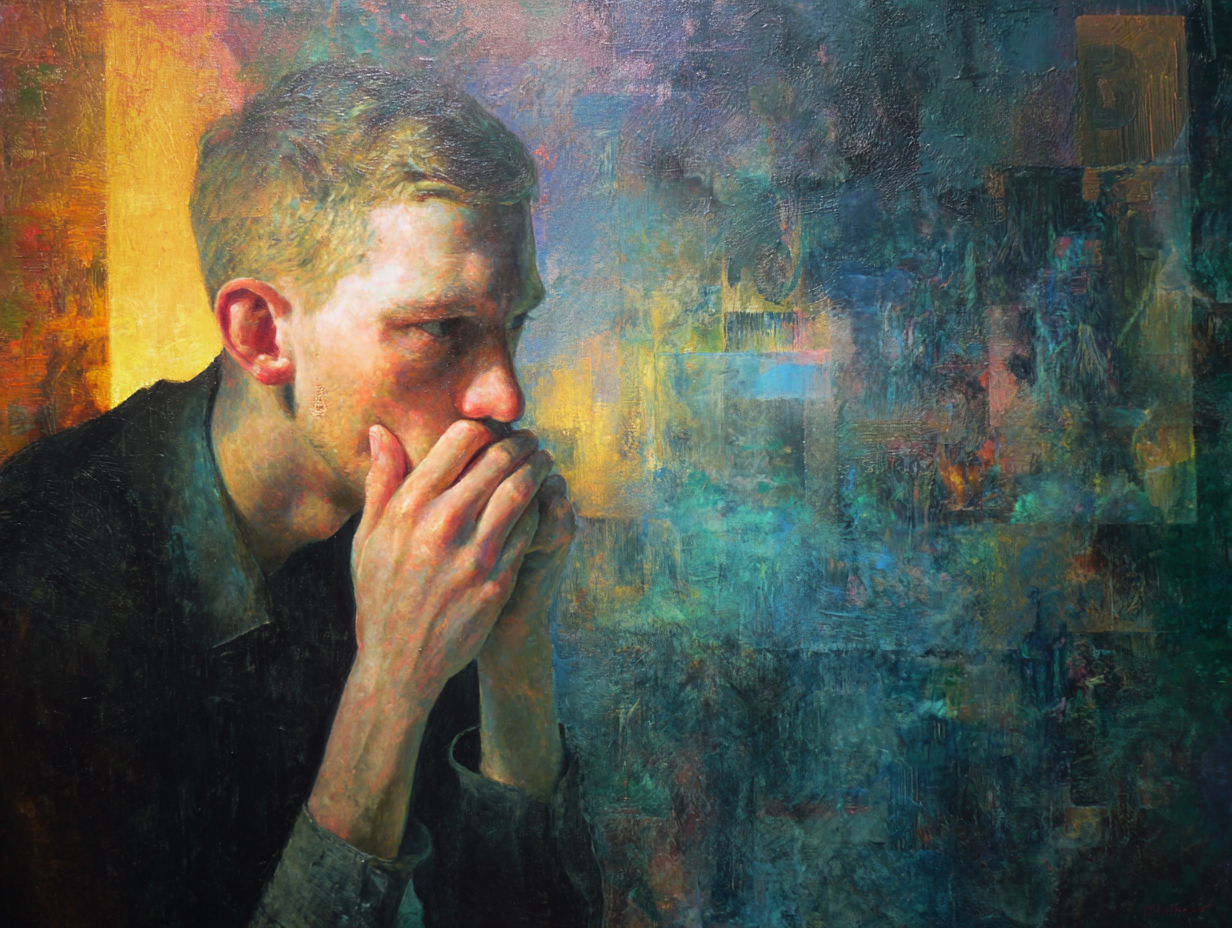
Doubt is not always the enemy.
In healthy amounts, it can make us pause, reflect, and think carefully. It can stop impulsive mistakes and encourage better decisions.
But doubt can also become something else entirely.
It can become a permanent question mark hanging over every decision, every action, every hope, and every part of identity. It can turn ordinary uncertainty into chronic hesitation. It can make people second-guess themselves so often that they stop trusting their own mind.
When doubt starts running your life, it rarely announces itself dramatically. It appears in quieter ways. Delaying decisions. Rehearsing conversations. Needing constant reassurance. Rethinking what you have already chosen. Assuming that uncertainty means danger.
Over time, doubt narrows life. People stop moving freely because every step feels like it must be checked, analysed, and defended before it is taken.
The problem is that certainty is not available in most real human situations. If you wait to feel fully sure before acting, much of life remains on hold.
This is why banishing doubt is not about becoming reckless or careless. It is about loosening the grip of a mind that has started treating uncertainty as something intolerable.
You do not need absolute certainty to move. You need enough steadiness to act while some uncertainty remains.
That is a profound shift.
When people begin to understand doubt properly, they often realise the problem was never lack of information alone. It was the habit of treating uncertainty as something they were not allowed to bear.
Learning to bear it changes everything.